Welcome to the sidoli lab
We study how proteins and chromatin shape cellular identity, aging, and disease.
Although most cells in our body share the same DNA, they have very complex diversity. Individual cells can adopt distinct functional states that influence tissue function, response to therapy, and the development of age-related conditions. Our goal is to understand this hidden biological diversity by measuring proteins and chromatin directly.
To achieve this, we develop and apply cutting-edge mass spectrometry technologies, including single-cell proteomics and single-cell chromatin analysis. By combining experimental innovation, computational biology, and artificial intelligence, we investigate how molecular differences between cells emerge, evolve, and contribute to health across the lifespan.
Our work spans chromatin biology, aging research, proteomics technology development, and advanced cellular models, with the long-term goal of understanding biological systems one cell at a time.
November 2026
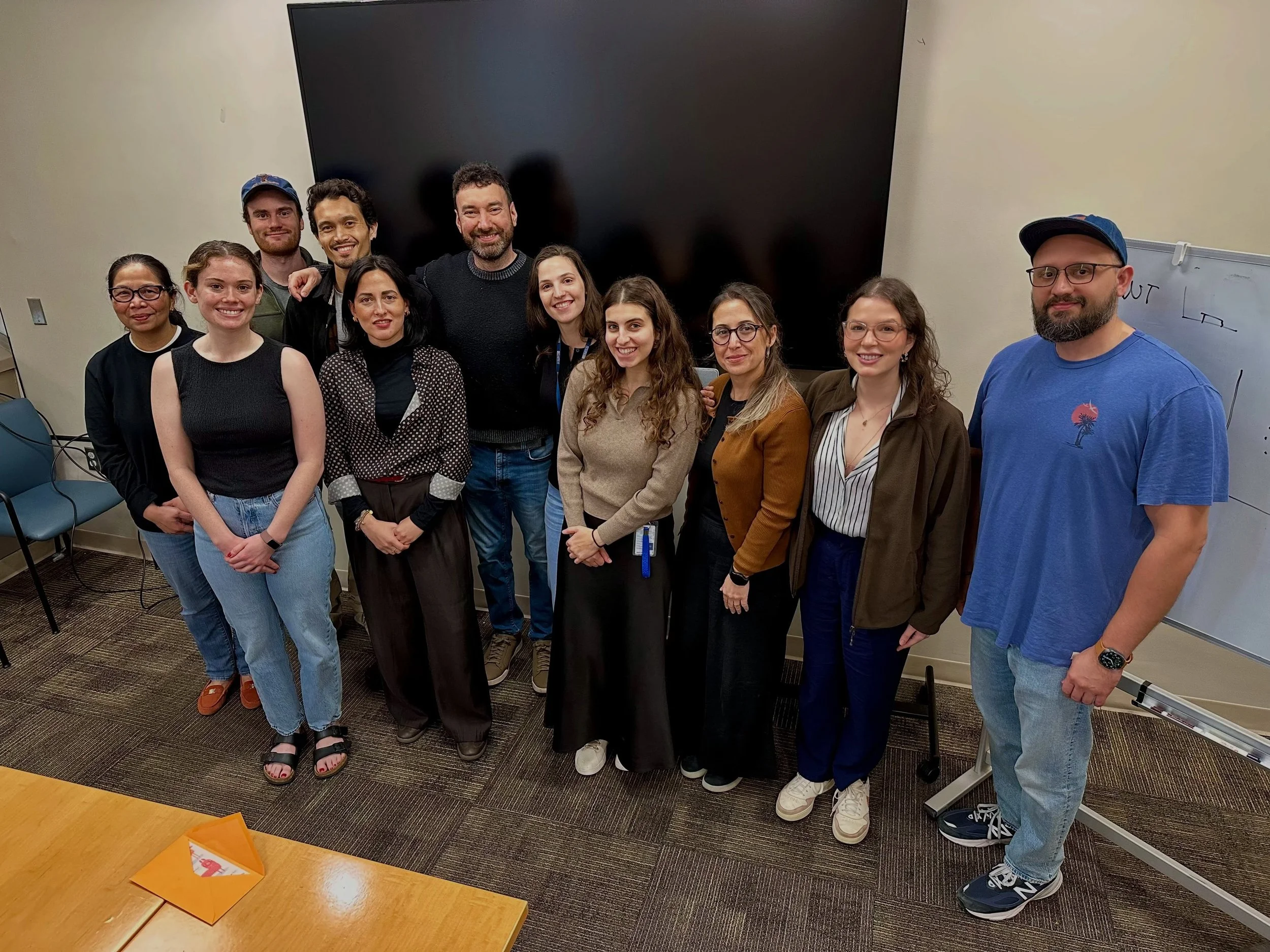
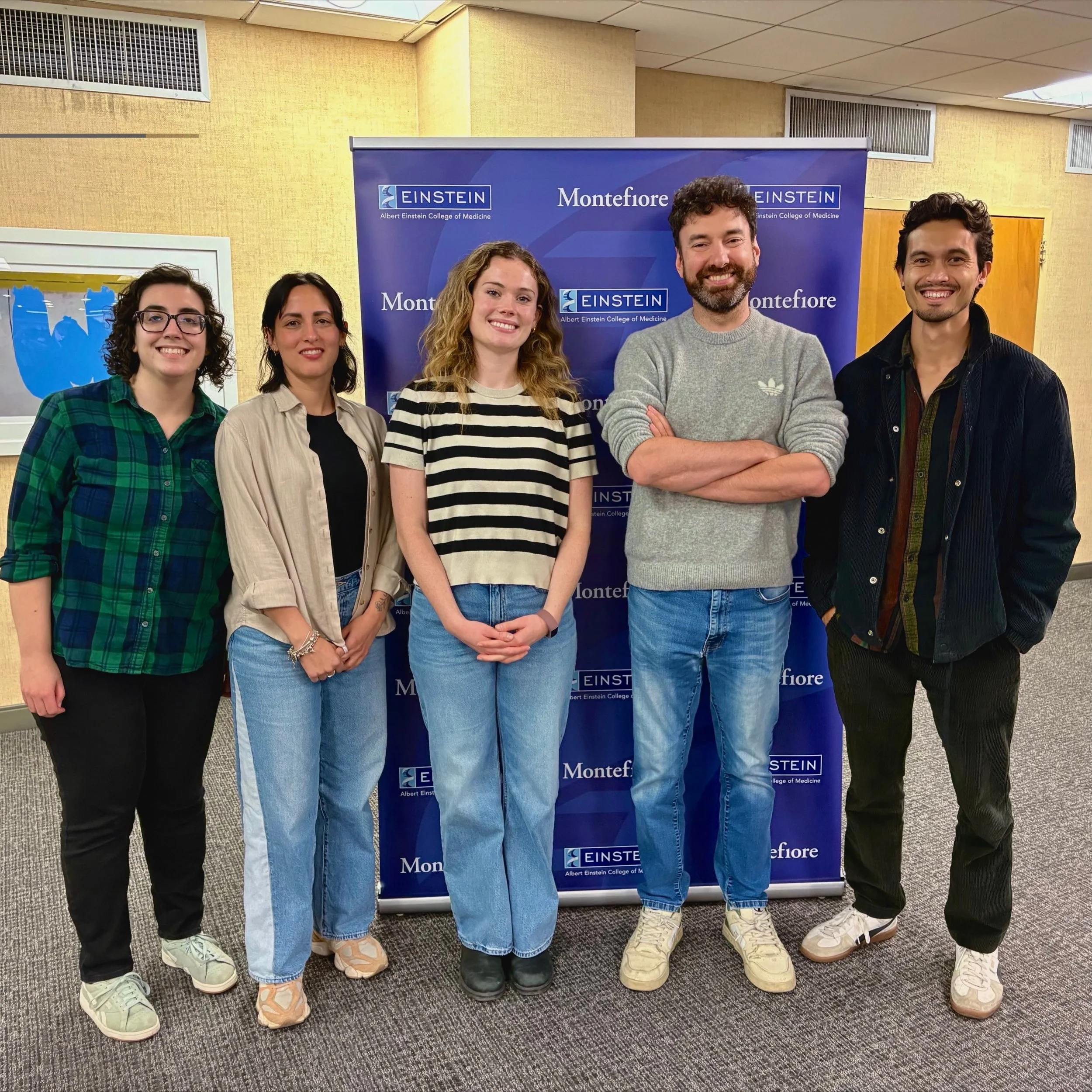
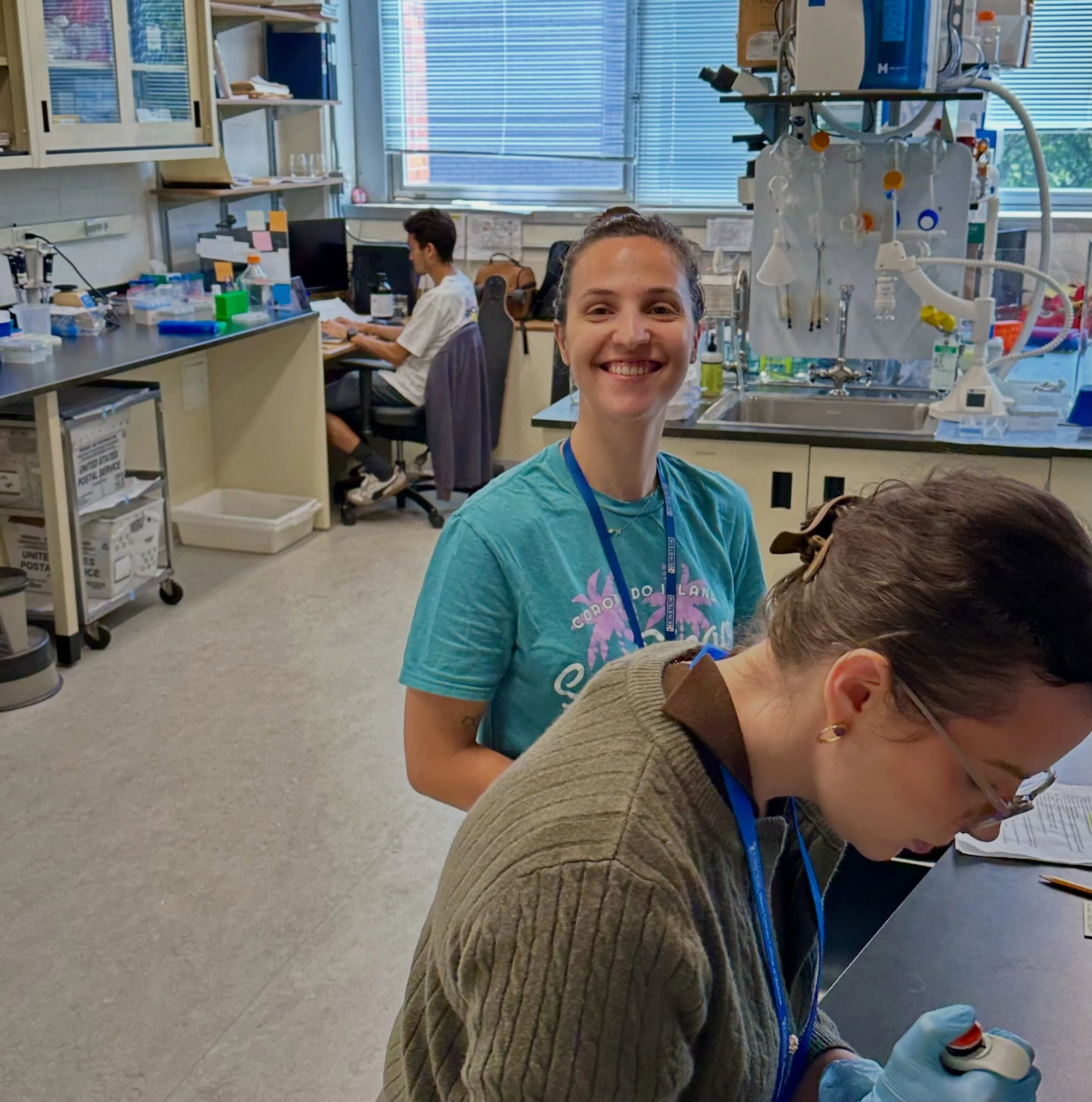
Unfortunately, it is time for some goodbyes! Hulyana is coming back to Brazil after working for 6 months with us. We will miss you very much. Thank you so much for all your hard work, help, and positive energy!
Rachel is also finishing her rotation with us. Best of luck in Ana Maria Cuervo’s team! Hopefully, we will work again very soon!
Two more manuscripts from our collaborations are now available on bioRxiv! Congratulations to Jenny for her work with the Andreas Jenny lab (Einstein) on the role of ribosomal protein degradation during starvation in Drosophila (link). Great collaboration!
And congratulations to Stephanie for another collaborative study with the Wellen lab (UPenn), investigating how nutrient-sensitive histone propionylation regulates T cell function and exhaustion (link)! Both manuscripts are currently under review. Fingers crossed!
Busy month for Simone, who is serving on three different scientific review panels, evaluating research proposals for the Pacific Northwest National Laboratory (PNNL), the Lupus Foundation, and NIH SBIR grants. Lots of interesting science to review!
Latest images